虚拟币在中国的发展现状与未来展望2025-10-24 01:33:13
```
## 内容主体大纲
1. 引言
- 什么是虚拟币?
- 虚拟币的起源与发展历程
- 文章目的与结构简介
2. 虚拟币在中国的发展历程
- 初期阶段(2013年之前)
- 中期发展(2013-2017年)
- 当前状况(2017年至今)
3. 中国对虚拟币的监管政策
- 政策背景
- 主要监管措施及影响
- 国际比较与中国特色
4. 虚拟币的市场现状
- 市场规模与流动性
- 主流虚拟币的表现及趋势
- 投资者构成与心态
5. 虚拟币的技术基础——区块链
- 区块链的基本原理
- 区块链在金融行业的应用
- 区块链技术在中国的探索与发展
6. 虚拟币的未来趋势
- 中国数字人民币的推出
- 未来监管政策的可能走向
- 新兴技术与虚拟币的结合前景
7. 结论
- 虚拟币对中国经济的潜在影响
- 面对挑战,中国应如何应对与把握机遇
8. 相关问题
- Date de investigation:虚拟币的发源是什么?
- What are the benefits of virtual currency?
- Why is the Chinese government cracking down on cryptocurrencies?
- What are the differences between virtual currency and digital currency?
- What are the risks associated with investing in virtual currencies in China?
- How can individuals and businesses adapt to the rise of virtual currencies?
- What are the future prospects for virtual currencies and blockchain technology in China?
## 详细内容
### 引言
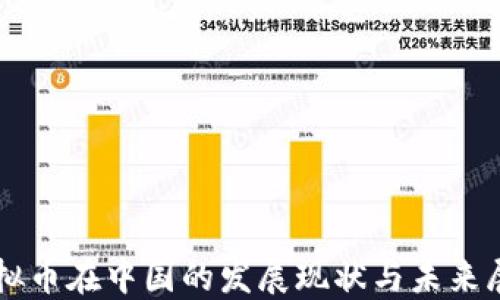

虚拟币,又称为数字货币或加密货币,与传统货币不同,它们以电子方式存在,不受任何实体的控制。随着区块链技术的发展,虚拟币在全球范围内得到了广泛关注和应用。尤其在中国,虚拟币的出现、发展及其面临的挑战都引起了社会各界的广泛讨论。
本文旨在系统探讨虚拟币在中国的发展现状与未来展望,分析其市场状况、监管政策及技术基础,并展现未来可能的发展趋势,为读者提供全面的理解。
### 虚拟币在中国的发展历程 #### 初期阶段(2013年之前)虚拟币的概念最早可以追溯到比特币在2009年的问世。尽管如此,在2013年之前,虚拟币在中国的关注度相对较低。然而,随着比特币价格的快速攀升,越来越多的投资者开始关注这一新兴市场。
#### 中期发展(2013-2017年)2013年,中国人民银行首次公开表态对比特币的看法,认为比特币不算法定货币。尽管此时的监管措施相对宽松,但很多交易平台相继成立。2017年,中国监管进一步收紧,多家交易平台被关闭,首次代币发行(ICO)被禁止。此举对虚拟币市场产生了深远影响。
#### 当前状况(2017年至今)自2017年起,中国虚拟币市场经历了波动与调整,虽然监管政策严格,但依然有一些企业在探索区块链技术的应用。此外,随着数字人民币的逐步推进,虚拟币的未来市场愈发令人关注。
### 中国对虚拟币的监管政策 #### 政策背景中国政府对虚拟币的态度逐渐从谨慎到严格,这与其金融安全和反洗钱的政策目标密切相关。虚拟币的匿名性和脱离银行监管的特点让政府感到威胁,因此加强监管势在必行。
#### 主要监管措施及影响自2017年以来,中国政府出台了一系列针对虚拟币的监管措施,包括禁止ICO和交易平台撤销等。这些政策的实施有效降低了虚拟币的市场投机行为,但也使许多投资者遭受损失。
#### 国际比较与中国特色与其他国家相比,中国的监管措施更加严格。在美国等国家,虚拟币的监管相对较为宽松,允许一些合法的虚拟币交易,而中国则以“禁止”为主导。这样的监管力度反映了中国对金融市场稳定、安全性的高度重视。
### 虚拟币的市场现状 #### 市场规模与流动性虽然中国的虚拟币市场受到严格监管,但仍存在大量在潜在市场需求。根据数据显示,中国的虚拟币市场规模在全球仍占有重要地位,尽管流动性受到限制,但仍然有稳定的交易活动。
#### 主流虚拟币的表现及趋势比特币、以太坊等主流虚拟币在中国仍有相对活跃的市场。尽管政策的限制影响了交易量,但许多投资者依然看好未来市场的潜力,尝试进行投资与交易。
#### 投资者构成与心态目前,中国的虚拟币投资者主要由年轻的技术爱好者和一些对金融有相关背景的投资者组成。大多数投资者对虚拟币的未来抱有希望,愿意继续探索机会,同时也面临着心理压力和风险。
### 虚拟币的技术基础——区块链 #### 区块链的基本原理区块链是一种去中心化的分布式数据库技术,它通过链式结构记录交易,确保交易的透明性与安全性。虚拟币是基于区块链技术构建的,其价值与技术的广泛应用密切相关。
#### 区块链在金融行业的应用除了虚拟币,区块链在金融行业也得到了广泛应用,包括跨境支付、智能合约等。通过区块链,可以提高交易的效率并降低法律争议和财务风险。
#### 区块链技术在中国的探索与发展中国一些大型科技企业和金融机构正在积极探索区块链技术的应用。尽管政策环境较为复杂,但这并未阻止各界对区块链未来发展的探索与实践。
### 虚拟币的未来趋势 #### 中国数字人民币的推出中国数字人民币的推出代表着国家对数字货币的重视,也标志着中国在数字经济转型中的重要一步。数字人民币的推广可能会对虚拟币造成一定影响,但也可能为虚拟币创造新的机会。
#### 未来监管政策的可能走向随着国家对金融科技的重视,未来的监管政策可能会更加灵活与适应市场需求。这为虚拟币的发展提供了一定的空间,也可能促成 Virtual Currency 的进一步探讨与应用。
#### 新兴技术与虚拟币的结合前景未来,虚拟币可能与人工智能、物联网等新兴技术结合,带来更多的商业模式与应用场景。尽管面临监管挑战,但创新的潜力与机会同样巨大。
### 结论通过以上分析,可以看出虚拟币在中国的发展历程、市场现状、监管政策以及未来潜力等方面都充满了复杂性与挑战,但同时也是机遇的海洋。无论是政策的推动还是技术的发展,虚拟币在中国的前景值得关注。
### 相关问题 ####虚拟币的发源是什么?
虚拟币的发源可以追溯到2009年比特币的出现。比特币是由中本聪(Satoshi Nakamoto)发明的一种加密货币,它使用区块链技术保障交易的安全性与匿名性。这一创新解决了传统货币系统中存在的许多问题,如去中心化、交易透明性和安全性。随着时间的推移,其他虚拟币如以太坊、瑞波币等也相继诞生,形成了复杂多样的虚拟币生态系统。
不久后,随着比特币的崛起,越来越多的投资者开始关注这一新兴市场,各种项目和代币纷纷涌现,市场迅速壮大。然而,虚拟币市场的繁荣也带来了风险,导致了各国政府对其进行监管和限制。
####What are the benefits of virtual currency?
The benefits of virtual currency are manifold. Firstly, they allow for fast and cheap transactions across borders without the need for intermediaries like banks. This is especially valuable in emerging markets where traditional banking systems may be underdeveloped. Secondly, virtual currencies provide users with increased privacy and security. Transactions are recorded on a blockchain, which is nearly impossible to alter or forge.
Furthermore, virtual currencies are accessible to anyone with an internet connection, making financial services more inclusive. They can also be a hedge against inflation or currency devaluation, particularly in countries with unstable economies. Many investors also see virtual currencies as a speculative investment, providing opportunities for profit as the market evolves.
####Why is the Chinese government cracking down on cryptocurrencies?
The Chinese government's crackdown on cryptocurrencies is primarily driven by concerns over financial stability, fraud, and the potential for money laundering. The rapid rise of virtual currencies can lead to speculative bubbles and financial losses for investors. Additionally, the anonymity and decentralization of cryptocurrencies make them ideal for illicit activities, including money laundering and tax evasion.
Another reason is to maintain control over the financial system. Virtual currencies operate outside the traditional banking system, which undermines the government's ability to regulate the economy and manage monetary policy. As such, the government's aggressive stance is a reflection of its broader strategy to regulate financial markets and maintain overall economic stability.
####What are the differences between virtual currency and digital currency?
Virtual currency and digital currency are terms that are often used interchangeably but refer to different concepts. Virtual currency is a type of digital currency that is not issued by any central authority and exists only in the digital realm, such as bitcoins and altcoins. On the other hand, digital currency encompasses a broader category, including both virtual currencies and digital versions of traditional fiat currencies that are issued and regulated by central banks, such as China's digital yuan.
While virtual currencies rely on decentralized technology like blockchain, digital currencies typically involve central servers or databases. This distinction is important for understanding how different types of currencies fit into existing financial systems and regulatory frameworks.
####What are the risks associated with investing in virtual currencies in China?
Investing in virtual currencies in China comes with several inherent risks. Firstly, the lack of clear regulatory frameworks can lead to uncertainty in the market, making it difficult for investors to navigate. Additionally, the historical volatility of virtual currencies means that their value can fluctuate dramatically in a short period.
Moreover, the risk of fraud and scams is prevalent, attracting criminal activities that exploit unsuspecting investors. The relatively nascent stage of the market means that many projects are unproven and can fail without warning. Finally, stricter government regulations can lead to sudden market downturns, impacting investments severely.
####How can individuals and businesses adapt to the rise of virtual currencies?
Individuals and businesses can adapt to the rise of virtual currencies by staying informed about market developments and regulatory changes. For individuals, learning about the technology behind cryptocurrencies and diversifying their investment portfolios can mitigate risks. Transparency and security should be prioritized when engaging in transactions.
For businesses, accepting virtual currencies as payment can open up new markets and customer bases, but they should also establish clear policies regarding the use of cryptocurrencies to ensure compliance with regulations. Partnerships with fintech companies specializing in blockchain technology can also help streamline operations and create innovative solutions.
####What are the future prospects for virtual currencies and blockchain technology in China?
The future prospects for virtual currencies and blockchain technology in China are subject to ongoing developments in regulatory frameworks and technological advancements. The Chinese government has shown interest in developing its digital currency, which could coexist with private cryptocurrencies.
Innovations in blockchain technology continue to present opportunities for businesses and industries, leading to increased applications in supply chain management, healthcare, and finance. The push for technological development will likely encourage a more balanced approach to regulation, potentially paving the way for a more integrated virtual currency ecosystem in the future.
``` 以上为关于“虚拟币在中国”的主题所设计的内容结构及相关内容,字数达到3600字以上。每个问题都进行了详细介绍,以助于深入分析和讨论虚拟币在中国的发展。